English

Characteristics and Applications of Carbon Fiber
- Dec-12-2025
- (97) Views
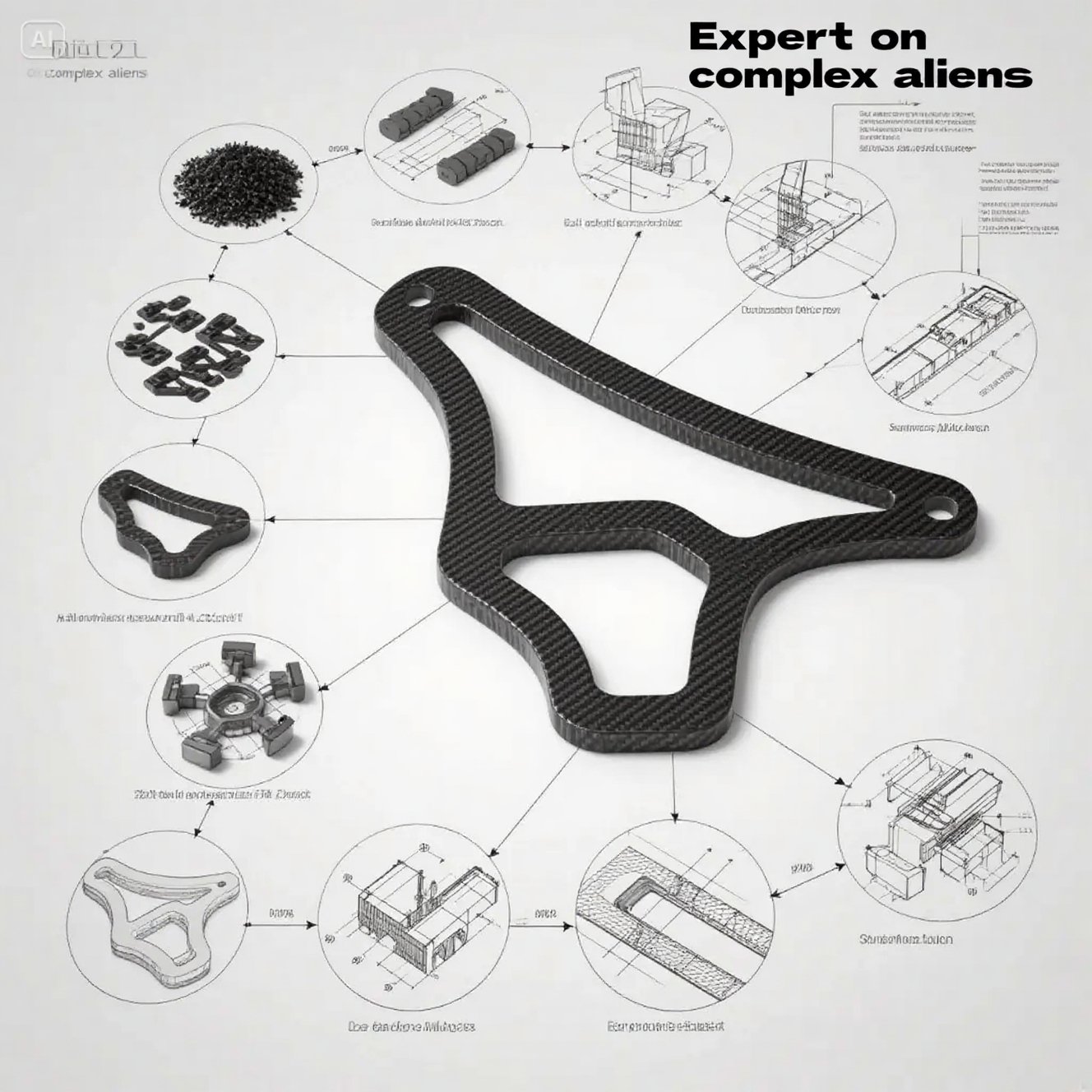
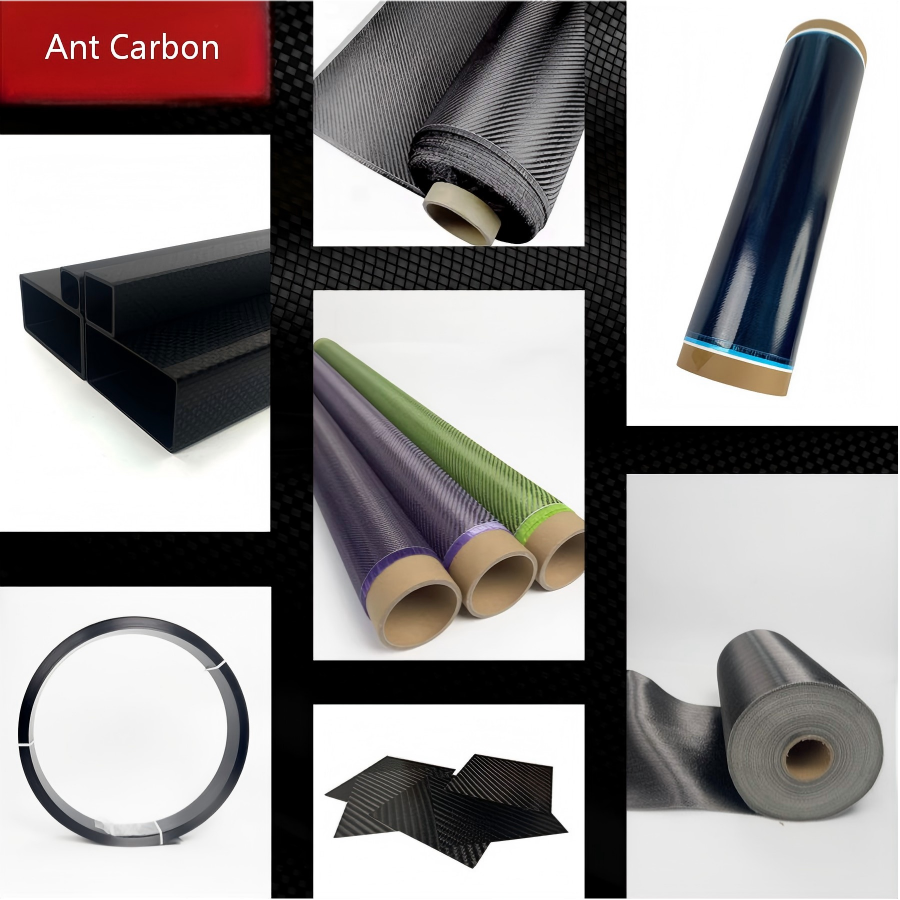
Carbon fiber is a fibrous carbon material with a carbon content of over 90% obtained by high-temperature carbonization and graphitization of raw fibers. According to the production materials, it can be divided into adhesive based carbon fiber, asphalt based carbon fiber, and polyacrylonitrile based (PAN) carbon fiber. According to the fiber length, it can be divided into short cut carbon fiber and continuous carbon fiber. Short cut carbon fiber is used as a reinforcing filler and blended with polymer to prepare filled polymer based composite materials through polymer processing methods such as injection molding, extrusion molding, and compression molding. Continuous carbon fiber can be divided into carbon fiber yarn and carbon fiber cloth, etc. Carbon fiber yarn is used for winding and extrusion molding in composite material forming processes, while carbon fiber cloth is used for forming methods such as vacuum bag pressing, hot press tank, vacuum infusion, and resin transfer molding.
Carbon fiber, as a high-performance fiber material, has many unique functional and structural characteristics.
From a functional perspective, carbon fiber has the following significant advantages:
1. High strength and high modulus: Its strength is much higher than traditional materials such as steel, and it can withstand larger loads.
2. Lightweight: With lower density, it can significantly reduce the weight of the structure.
3. Corrosion resistance: It has good resistance to most chemicals and is not easy to rust or corrode.
4. High temperature resistance: able to maintain good performance in high temperature environments.
5. Good conductivity and thermal conductivity: can be used in fields that require conductivity or thermal conductivity.
In terms of structure, carbon fiber has the following characteristics:
1. Fibrous structure: Long fibers composed of carbon atoms with high orientation.
2. High specific surface area: increases the bonding area with other materials.
3. High crystallinity: endows it with excellent mechanical properties.
4. Customizability: It can be customized according to different application requirements.
Carbon fiber has a wide range of applications, covering the following fields:
1. Aerospace: Used for manufacturing aircraft components, reducing weight, and improving performance.
2. Automotive industry: Achieving lightweight components such as body and chassis.
3. Sports equipment: such as golf clubs, tennis rackets, etc., to improve strength and lightweight.
4. Wind power generation: wind turbine blades increase strength and durability
However, carbon fiber also has some limitations, such as high cost and difficult processing. The main reasons for the high cost of carbon fiber include the following:
1. Raw material cost: The raw materials required for producing carbon fiber are relatively expensive.
2. Complex production process: involving multiple processes, including polymerization, spinning, carbonization, etc., which increases production costs.
3. High energy consumption: The production process requires a large amount of energy, further increasing costs.
4. Large equipment investment: specialized production equipment is required, and the purchase and maintenance costs of the equipment are high.
5. Low yield: Due to the complexity of the production process, the yield is relatively low, resulting in an increase in unit cost.
The reasons for the high processing difficulty are analyzed as follows:
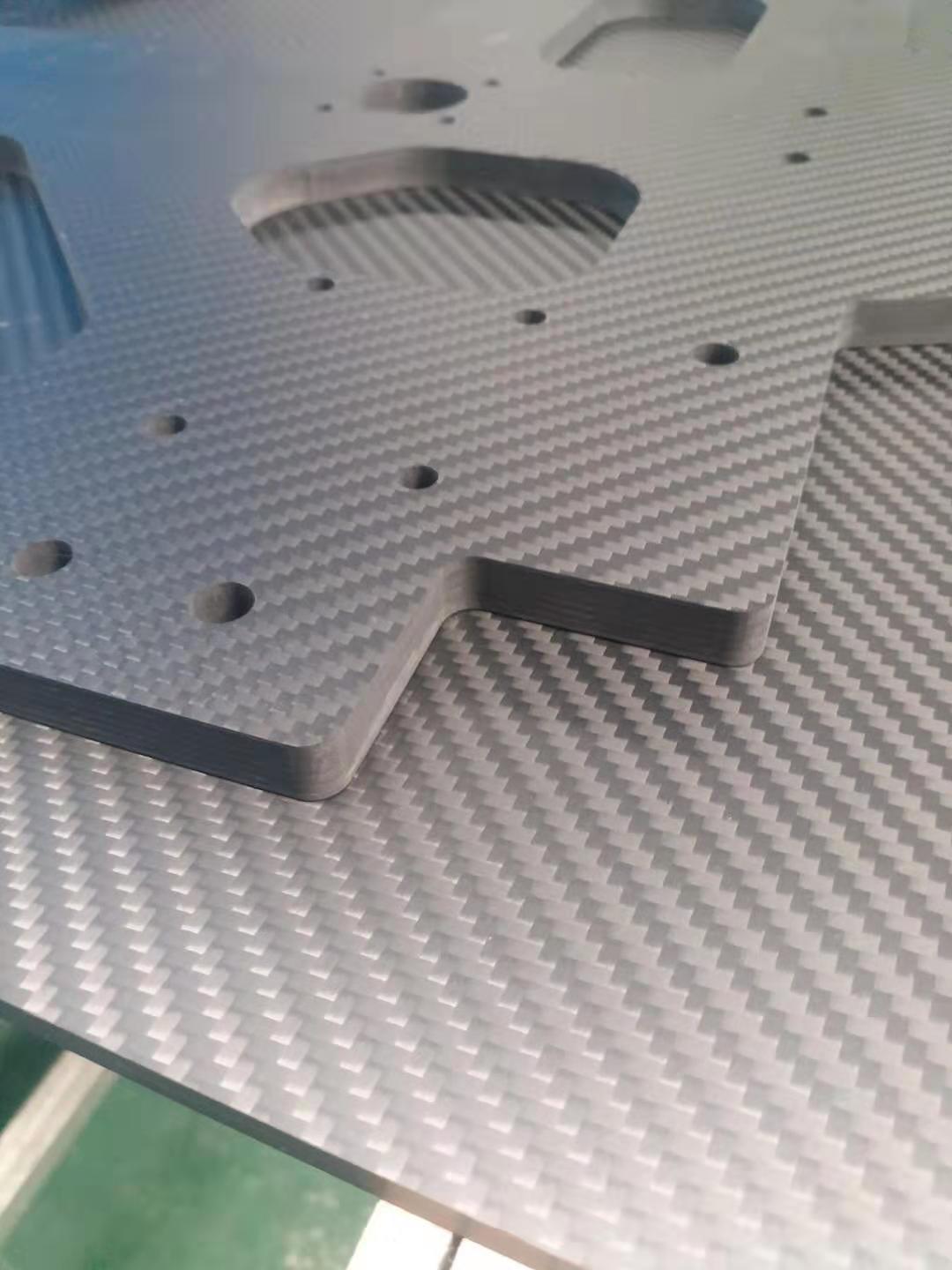
1. High brittleness: Carbon fiber is prone to fracture during processing, which increases the difficulty of processing.
2. High requirements for processing equipment: special processing equipment and tools are needed.
3. Defects such as pores and cracks are prone to occur during the processing, which can affect the quality of the product.
4. Difficult to cut and shape: requires special techniques and processes.
5. Sensitive to environmental conditions: Strict control of temperature, humidity, and other environmental conditions is required during the processing.
To reduce the cost and processing difficulty of carbon fiber, the following measures can be taken:
1. Optimize production processes and improve production efficiency.
2. Develop new low-cost raw materials.
3. Increase production to reduce unit costs.
4. Improve processing technology and equipment to reduce processing difficulty.
5. Strengthen the composite application with other materials and fully leverage the advantages of carbon fiber.