English
Carbon Fiber Fabric Production Process: A Comprehensive Guide
- Dec-24-2025
- (149) Views
Step 1: Precursor Fiber Preparation
The carbon fiber production process begins with selecting high-grade precursors. PAN fibers are spun into yarns through polymerization and extrusion. This initial stage is crucial for the final fabric's quality. Keywords like "PAN precursor for carbon fiber" highlight this foundational step. Our factory uses advanced spinning techniques to produce uniform filaments, typically 1-5 microns in diameter, ensuring consistency in the carbon fiber weave production.
Step 2: Stabilization and Carbonization
Next, the precursor fibers are stabilized by heating in an oxygen-rich environment at 200-300°C. This oxidizes the material, preventing melting during subsequent high-temperature steps. Carbonization follows in an inert atmosphere at 1,000-1,500°C, where non-carbon elements are removed, leaving nearly pure carbon. For those querying "carbon fiber heat treatment process," this phase boosts the material's crystalline structure. At Shenzhen Ant Carbon Fiber Co., Ltd., we employ state-of-the-art furnaces for controlled carbonization, yielding fibers with up to 99% carbon content.
Step 3: Graphitization (Optional for High-Modulus Fabrics)
For premium carbon fiber fabrics, graphitization heats the fibers to 2,000-3,000°C, aligning carbon atoms into a graphite-like structure. This enhances modulus and thermal conductivity, ideal for applications in "high-performance carbon fiber composites." Our company offers customized graphitization to meet specific client needs in the carbon fiber cloth manufacturing sector.
Step 4: Surface Treatment and Sizing
Post-carbonization, fibers undergo surface treatment via electrolysis or plasma to improve resin adhesion. Sizing applies a thin polymer coating, protecting fibers during weaving. Searches for "carbon fiber sizing process" often lead here—this step prevents breakage and ensures compatibility with epoxy or polyester resins. Shenzhen Ant Carbon Fiber Co., Ltd. uses eco-friendly sizing agents to produce durable carbon fiber textiles.
Step 5: Weaving the Carbon Fiber Fabric
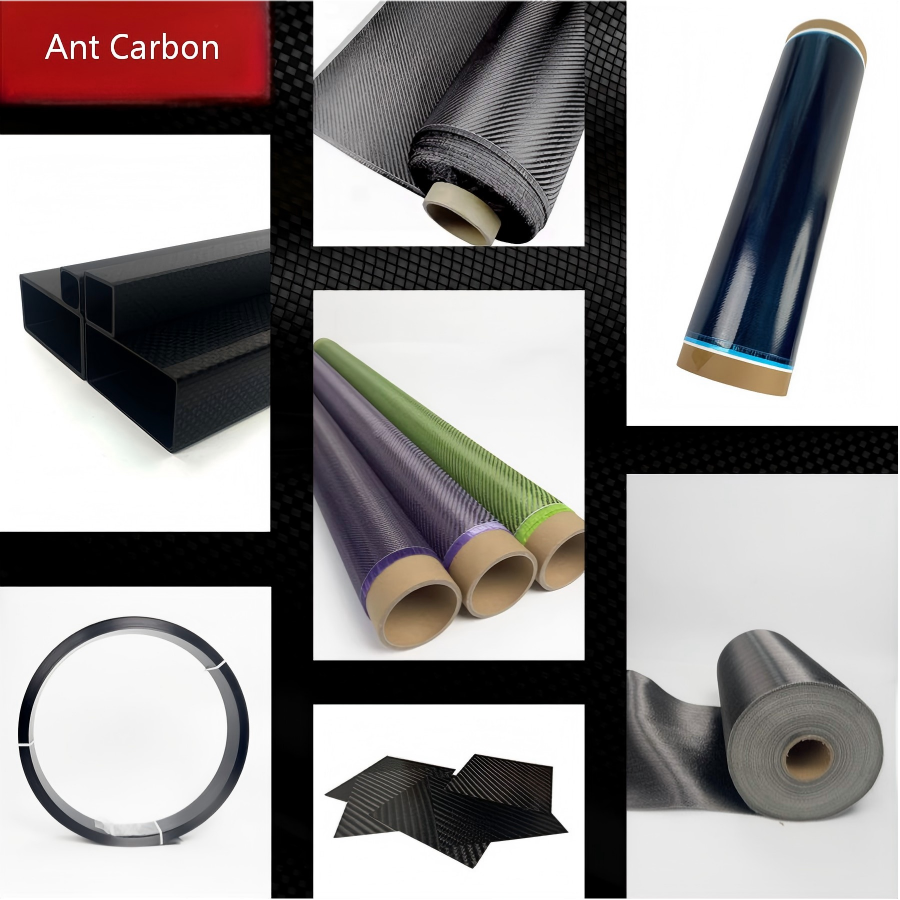
The core of carbon fiber fabric production is weaving. Fibers are bundled into tows (e.g., 3K, 6K, 12K strands) and woven on looms into patterns like plain, twill, or satin weaves. Plain weave offers balanced strength, while twill provides better drape for curved surfaces. Our automated looms at Shenzhen Ant Carbon Fiber Co., Ltd. produce fabrics from 100-600 gsm, catering to "custom carbon fiber weave" demands. Quality checks for defects like gaps or misalignment are integral.
Step 6: Inspection and Finishing
Final inspection involves tensile testing, microscopy, and dimensional verification. Fabrics may be pre-impregnated (prepreg) with resin for easier composite use. For "carbon fiber fabric finishing process," we apply UV coatings or calendaring for smoothness. As a top carbon fiber manufacturer in Shenzhen, we ensure zero defects through AI-assisted quality control.
Applications and Benefits
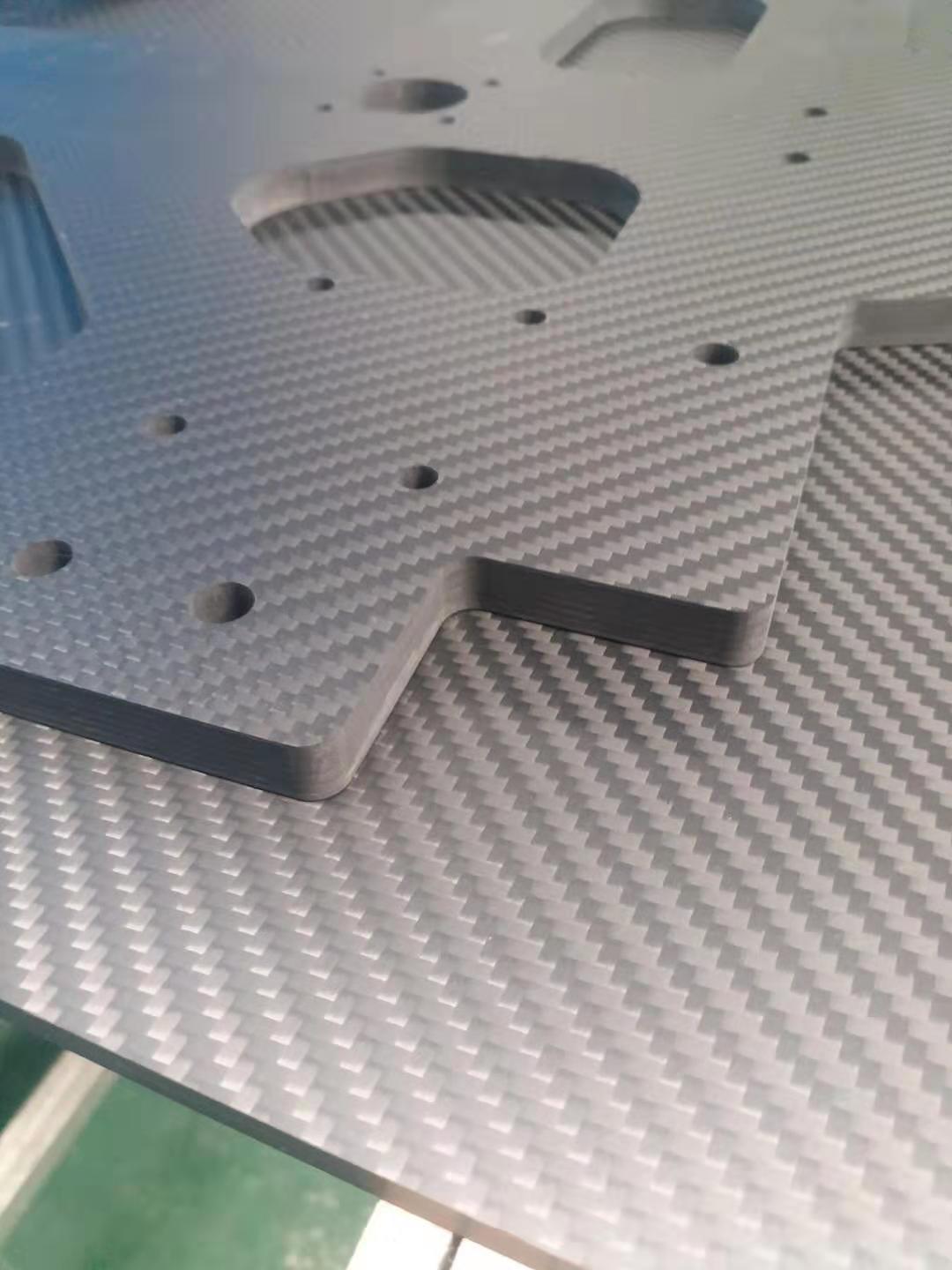
Carbon fiber cloth from Shenzhen Ant Carbon Fiber Co., Ltd. is used in drone frames, automotive panels, and protective gear. Benefits include corrosion resistance and fatigue endurance, making it superior to metals. If you're exploring "advantages of carbon fiber fabric," note its role in lightweighting, reducing fuel consumption in EVs.
In summary, the carbon fiber fabric production process is a blend of science and engineering, from precursor to weave. Shenzhen Ant Carbon Fiber Co., Ltd. invites inquiries for bulk orders or custom solutions. Contact us for expert advice on "carbon fiber manufacturing techniques."