English

How to purchase high-quality carbon fiber fabric.
- Dec-31-2025
- (193) Views
First point: Understanding the rating system is fundamental, and performance data is the ultimate criterion.
High-strength Grade I (Grade 1 fabric): Tensile strength ≥ 3400 MPa, Elastic modulus ≥ 230 GPa
High-strength Grade II (Grade 2 fabric): Tensile strength ≥ 3000 MPa, Elastic modulus ≥ 200 GPa
First, clarify which grade your engineering design requires. Then, be sure to request a test report from an authoritative testing agency from the supplier, and personally verify that the data in the report meets the specifications.
Second point: Observe the appearance and feel, use keen eyes to distinguish authenticity.
The carbon fiber fabric market is full of mixed quality products, and some unscrupulous businesses even use dyed aramid or basalt fabric to pass off as carbon fiber.
Learning to identify it with the naked eye is the first line of defense against being cheated.
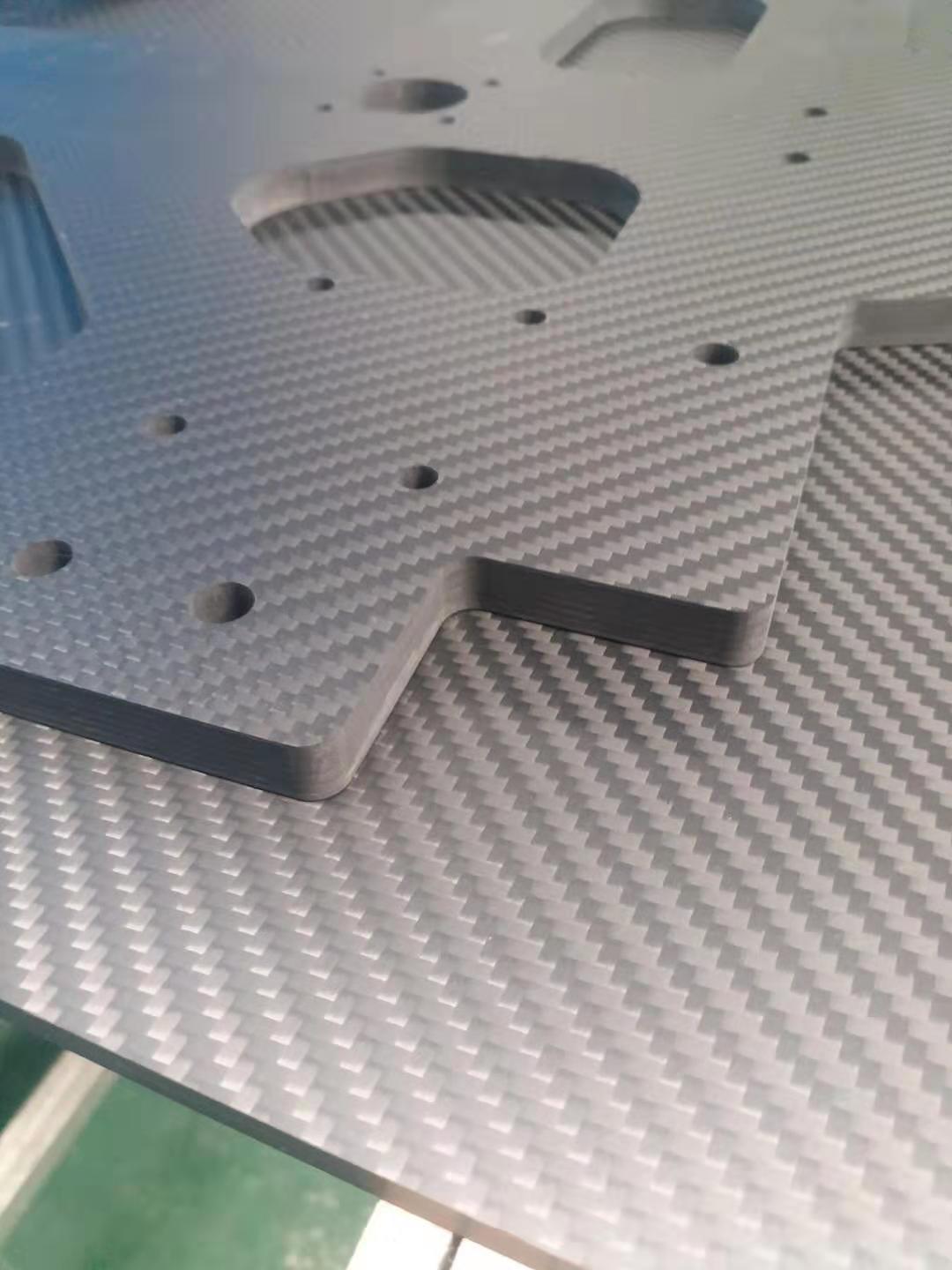
Observe the color: High-quality carbon fiber fabric uses 12K small-bundle carbon fibers, which are jet black and shiny, with clear and uniform texture.
Inferior carbon fiber fabric is gray or dull in color, with poor gloss, and may even show white impurities or broken fibers.
Feel the texture: Good carbon fiber fabric feels smooth and delicate, soft yet tough, and easy to bend and adhere. Inferior products may be too hard or too soft, with a rough texture.
Burn a sample (destructive test): Real carbon fiber fabric will turn red under a flame, but will not burn or curl, and will extinguish immediately after being removed from the flame.
Counterfeit fibers or fabrics will burn, emit black smoke, or melt. (Please use this method with caution; a small amount of fiber can be tested.)
Third Point: In-depth Examination of Raw Materials and Weaving – The Foundation Determines Quality
The quality of a product is rooted in its raw materials. Just as good clothing depends on the fabric, good carbon fiber fabric depends on the carbon fibers.
Raw Fiber Source: Inquire about the origin and brand of the carbon fiber raw materials. High-quality raw materials from reputable brands are the foundation for stable performance.
Weaving Process: The fabric surface should be flat and uniform, without serious defects such as broken or loose weft or warp threads.
A good weaving process ensures that the fibers do not fray or break during construction and guarantees sufficient resin impregnation.
Fourth Point: Measuring Dimensional Accuracy – Details Reveal Strength
Don't underestimate the importance of dimensional accuracy; it reflects a manufacturer's production control level and meticulous approach.
Standard Requirements: The length deviation of high-quality carbon fiber fabric should be <1.5%, and the width deviation should be <0.5%.
How to Observe: Inferior products have large dimensional deviations; the width of a single roll of fabric may even be uneven.
While this doesn't affect the material's inherent properties, it reflects the manufacturer's quality control level, which in turn affects construction efficiency and material utilization.
In summary,
When purchasing carbon fiber fabric, don't be misled by various fancy names and low prices. Remember these four key points:
Check the report: Request the test report and verify whether the Level 1/Level 2 performance data meets the standards.
Examine the appearance: A deep black, glossy finish, clear texture, and flexible feel indicate genuine product.
Inquire about the raw materials: Prioritize products made with 12K small tow fibers from reputable brands.
Measure the dimensions: Accurate dimensions are a sign of strict quality control by the manufacturer.